
Contents
Carl Schlechter: An Overview of His Chess Legacy
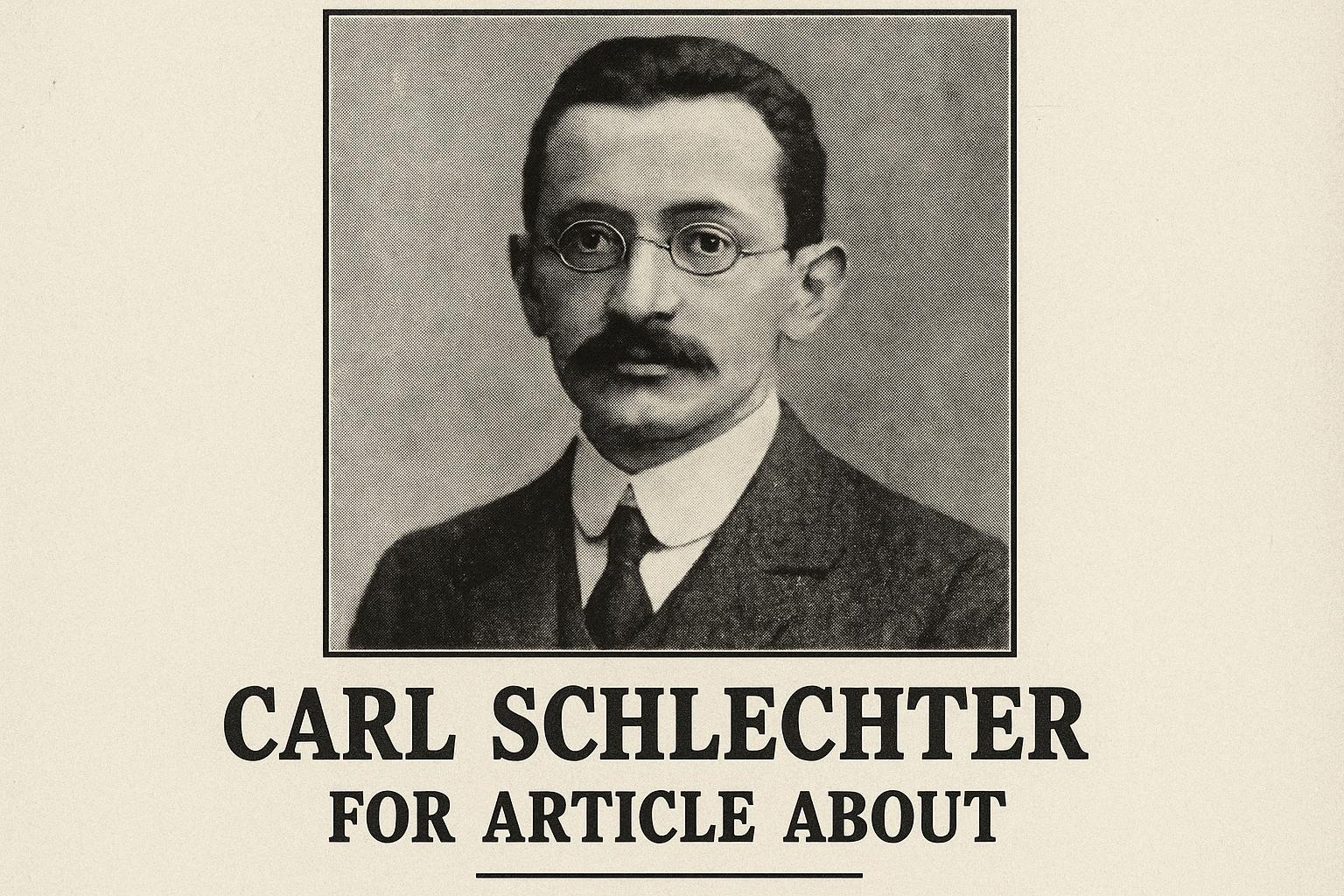
Carl Schlechter, born on March 2, 1874, in Vienna, was an Austrian chess master whose contributions to the game have been both significant and long-lasting. Known for his sportsmanship and gentlemanly conduct, Schlechter is remembered not just for his prowess on the board but also for his influential role in the early 20th-century chess world.
Early Life and Chess Beginnings
Schlechter was introduced to chess at a young age and quickly rose through the ranks of local players in Vienna. His talent was evident early on, which paved the way for him to participate in his first major tournament at the age of 20. By his mid-20s, Schlechter had established himself as one of the leading chess players of his generation.
Born into a middle-class family, Carl displayed an affinity for chess that was recognized by his parents, who supported his burgeoning interest. Vienna, during this period, was a hotbed of chess activity, offering Schlechter ample opportunity to hone his skills against some of the best local players. The intellectual climate of Vienna, rich with cultural and artistic pursuits, likely provided an ideal environment for a young mind eager to explore the depths of strategic games.
His progression in the chess world was both rapid and remarkable. At 16, Schlechter was already competing in local chess clubs and gaining recognition for his aptitude. The vibrant chess scene in Vienna allowed him to interact with seasoned players, from whom he could learn and against whom he could test his developing strategies. Quickly moving beyond the confines of local interactions, Schlechter’s participation in larger tournaments marked the beginning of his ascent on the international chess stage.
Notable Achievements
Throughout his career, Carl Schlechter amassed numerous achievements that highlighted his expertise. One of his most notable accomplishments was tying with Emanuel Lasker in their 1910 World Chess Championship match. The match was unprecedented as it ended in a draw after ten games, making Schlechter the closest player to snatch the world title from Lasker during that period. This result is often seen as one of the most controversial matches, as there were rumors that Schlechter was only required to win by a margin of two points, a claim not supported by written evidence.
This match is a cornerstone of Schlechter’s legacy. Despite the lack of clarity regarding the terms — whether he needed a clear victory margin to claim the title — his performance in these closely fought games has been analyzed and debated extensively. The match showcased Schlechter’s tactical acuity and his capability to stand shoulder-to-shoulder with the reigning world champion, resonating through the chess community of that era.
Beyond this match, Schlechter excelled in many international tournaments and was renowned for his strong defensive strategies, as well as his ability to inconspicuously transition into aggressive play when needed. His tournament victories include wins at prestigious events such as the Vienna 1908 and Hamburg 1910 tournaments. These victories solidified his standing as a formidable chess master in the early 1900s.
Playing Style
Carl Schlechter was known for his highly strategic and cautious approach. His style emphasized positional play and was marked by a preference for quiet but effective moves. Schlechter’s games often demonstrated a deep understanding of chess structures, allowing him to control the pace and flow of the game with subtlety and precision.
His approach to the game was systematic and well-reasoned, reflecting a deep understanding of the nuances involved in chess. Many experts describe his playing style as a blend of cautious calculation and occasional bursts of unexpected aggressiveness. This dual capability made him a hard player to read, as his reputation for careful play often lured opponents into a false sense of security. His matches frequently revealed his capacity to seize control of seemingly static situations, portraying an ability to convert small advantages into significant wins.
Sportsmanship
A significant aspect of Schlechter’s legacy is his reputation as a sportsman. He was widely respected for his fair play and integrity, earning him admiration and respect from his contemporaries. It was said that he never hesitated to point out his opponent’s best move, a testament to his character and love for the game.
In an era when gamesmanship often ruled competitive circles, Schlechter stood out as a beacon of fair competition. Accounts from his peers paint a picture of a man for whom the integrity of the game transcended personal success. He often placed honor above immediate gain, a rare quality in competitive sports. Through his actions, Schlechter contributed to setting the ethical standards in the chess community, influencing the conduct of future generations.
Contribution to Chess and Legacy
Beyond his tournament play, Schlechter contributed to chess through his writings and analysis. He authored several chess columns and books, sharing his deep insight and fostering a greater appreciation for strategic elements of the game. His works remain influential as they offer invaluable lessons in positional play and strategic thought.
Schlechter’s literary contributions to chess were considerable. His writing encapsulated the depth of his understanding, making complex strategies accessible to both novice and experienced players. Through his essays and columns, he dissected matches, analyzed openings, and delved into the intricacies of endgame scenarios, imparting wisdom that continued to educate chess enthusiasts long after his time.
Schlechter’s legacy continues to be celebrated in the chess community. His approach and sportsmanship set a high standard for conduct both on and off the board. He remains a figure of inspiration for aspiring chess players and professionals alike, demonstrating that the game is as much about character as it is about skill.
Further Reading
For those interested in a deeper dive into the life and accomplishments of Carl Schlechter, numerous biographies and analyses are available. Online chess platforms and archives offer a treasure trove of his games, providing a window into the strategic depth he brought to the sport. For more information, you can explore various chess resources that detail his career and contributions.
Carl Schlechter’s towering legacy within the world of chess serves as a striking example of how ability paired with integrity defines a champion. His contributions, extending beyond the chessboard, illustrate the enduring wisdom he imparted through both his play and ethical approach to the game. Schlechter’s life story, marked by both acclaim and his relentless pursuit of excellence, underscores a timeless narrative of passion and principle that continues to resonate within the chess community and beyond.