
Contents
Introduction
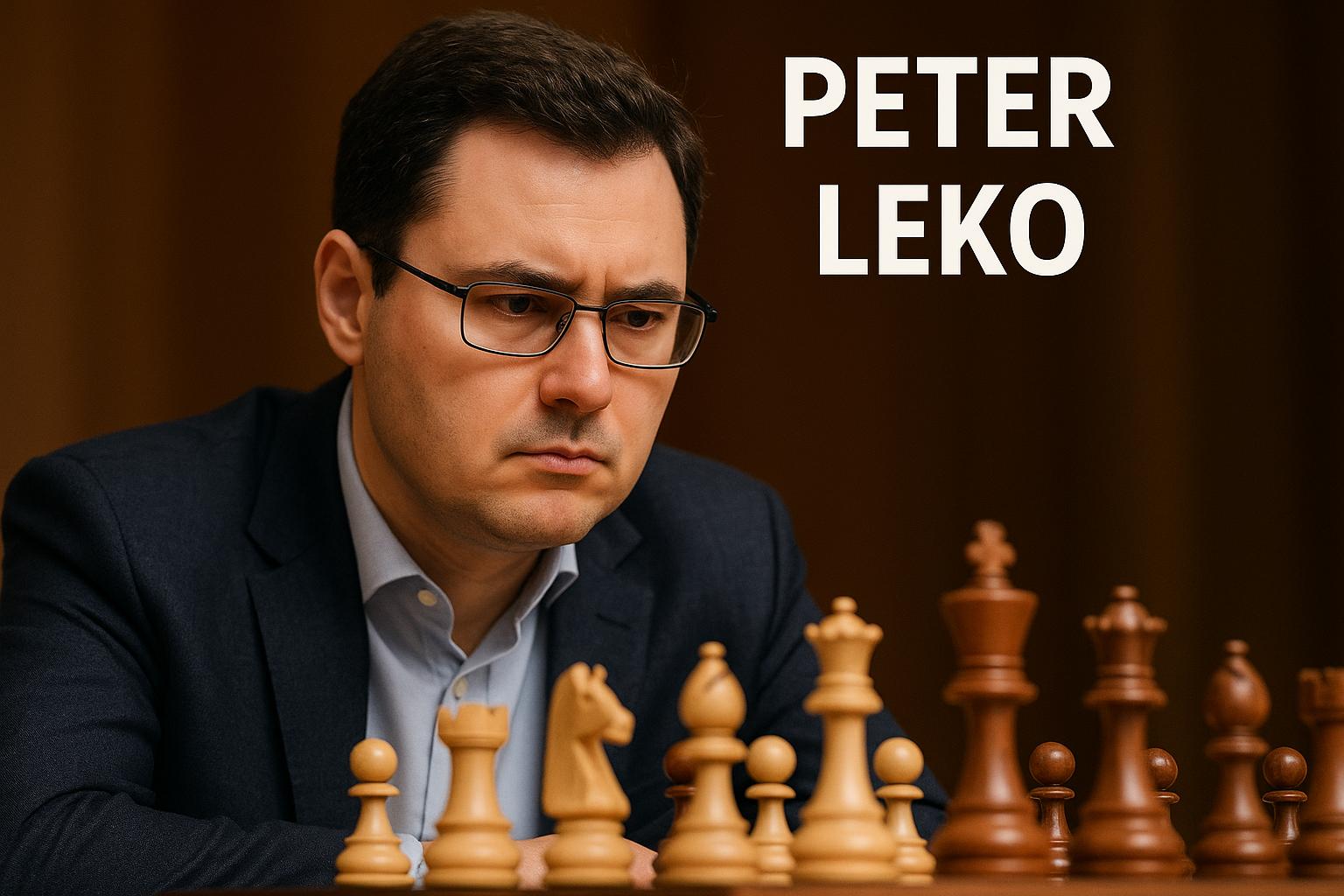
Peter Leko is a highly respected figure in the world of chess. Born on September 8, 1979, in Subotica, Yugoslavia, Leko went on to become one of Hungary’s greatest chess players. Over the years, he has been celebrated for his strategic prowess and deep understanding of the game, earning a reputation as one of the most consistent and determined competitors in international chess.
Early Life and Rise to Prominence
Peter Leko’s journey into chess began at a young age. He was first introduced to the game by his father, and it quickly became apparent that he had a natural talent. By the age of 14, Leko had already begun making a name for himself on the international stage, becoming a Grandmaster in 1994 at the age of 14 years and 4 months. This achievement made him the youngest Grandmaster in the world at that time, a testament to his exceptional skill and dedication.
Much of Leko’s early development took place in a country that was rapidly transforming. Coming from Yugoslavia, a nation that was undergoing significant political and social changes, Leko’s rise in the chess world reflects not only personal determination but also the support systems present in Eastern European countries for nurturing young chess talent. The investment in young players by coaches and institutions allowed Leko to hone his skills and compete at higher levels from an early age.
The support from his family, particularly his father, was instrumental. His father not only introduced him to the game but also ensured that Leko had access to the resources required to succeed. This foundation was crucial in his formative years, enabling him to join clubs and participate in numerous tournaments across Europe.
Career Highlights
Throughout his career, Peter Leko has participated in numerous prestigious tournaments. One of his most notable achievements came in 2004 when he challenged Vladimir Kramnik for the World Chess Championship. The match ended in a 7-7 tie, with Kramnik retaining the title. However, this result did not diminish Leko’s standing as one of the elite players in the world.
The 2004 World Championship was held under unique conditions, reflecting the political dynamics and negotiations within the chess world. Leko’s match against Kramnik was viewed by many as a clash of titans, showcasing an intense battle of wits and strategic prowess. Each player brought their distinct style to the board, with Leko known for his solid defense and Kramnik for his deep strategic insight. The evenly matched contest demonstrated Leko’s capacity to compete at the highest levels, although he narrowly missed becoming the World Champion.
Beyond this, Leko has been a regular feature in other top-tier tournaments. He won the Dortmund Sparkassen Chess Meeting in 1999, 2002, 2004, and 2005. His consistent performances in such well-regarded competitions have solidified his position as a leading figure in chess. Achieving repeated successes at the Dortmund Meeting not only showcased his talent but also his ability to prepare meticulously for each event.
Other accomplishments include winning strong invitational tournaments and contributing to team victories in the Chess Olympiad. His participation and leadership in national teams have brought glory and recognition to Hungary, a country with a rich chess heritage.
Playing Style
Peter Leko is known for his solid and methodical playing style. His approach is characterized by a deep understanding of positional play and a strong defensive technique. While not necessarily known for aggressive tactics, Leko’s games are often praised for their strategic depth and precision.
His style has earned admiration from chess enthusiasts and analysts alike, contributing to his longstanding success in the chess world. Players and coaches often study Leko’s games to appreciate finely crafted defenses and smooth transitions from opening to middle and endgames. His ability to accurately assess positions and anticipate threats without unnecessary risks highlights the qualities of a top player.
Furthermore, Leko’s style reflects the broader trend in modern chess, emphasizing strategic depth over tactical flair. This evolution of style represents a shift towards understanding the underlying fabric of chess positions, making Leko’s approach particularly educational for young players seeking to improve their game.
Contributions to Chess
Beyond his personal achievements, Peter Leko has made significant contributions to the broader chess community. He has worked as a coach and has been involved in various initiatives to promote the game. His insights and expertise have been valuable to both aspiring players and seasoned professionals.
Leko’s commitment to promoting chess has included efforts in chess education. He has taken part in numerous workshops, seminars, and chess camps aimed at nurturing the next generation of players. In a world where technological advancements have changed the way chess is taught and played, Leko’s experience provides valuable guidance to young players navigating the complexities of modern chess theory.
Leko has also contributed to chess literature and commentary, sharing his knowledge and analysis with fans and fellow players alike. By offering commentary during key matches, Leko has helped bring the intricacies of chess to a wider audience. His analytical skills allow him to break down complex positions into understandable components, enriching the viewer’s experience.
Moreover, Leko’s involvement in chess education and promotion continues to influence the game positively. From nurturing young talents to supporting community chess initiatives, Leko’s active participation highlights his dedication to the sport beyond personal accomplishments.
Conclusion
Peter Leko’s impact on chess is undeniable. From his early success as a prodigy to his ongoing contributions to the sport, he remains a celebrated figure in the chess community. His career serves as an inspiration to many, highlighting the importance of dedication, strategy, and passion in the pursuit of excellence in chess.
His journey from a promising young player to an established international star exemplifies the pathways available to talented and committed individuals. As the chess world continues to evolve, figures like Peter Leko remain essential in bridging the gap between traditional and modern practices in the game. Whether through competition, education, or commentary, Leko’s work ensures that chess remains vibrant and accessible to future generations.