
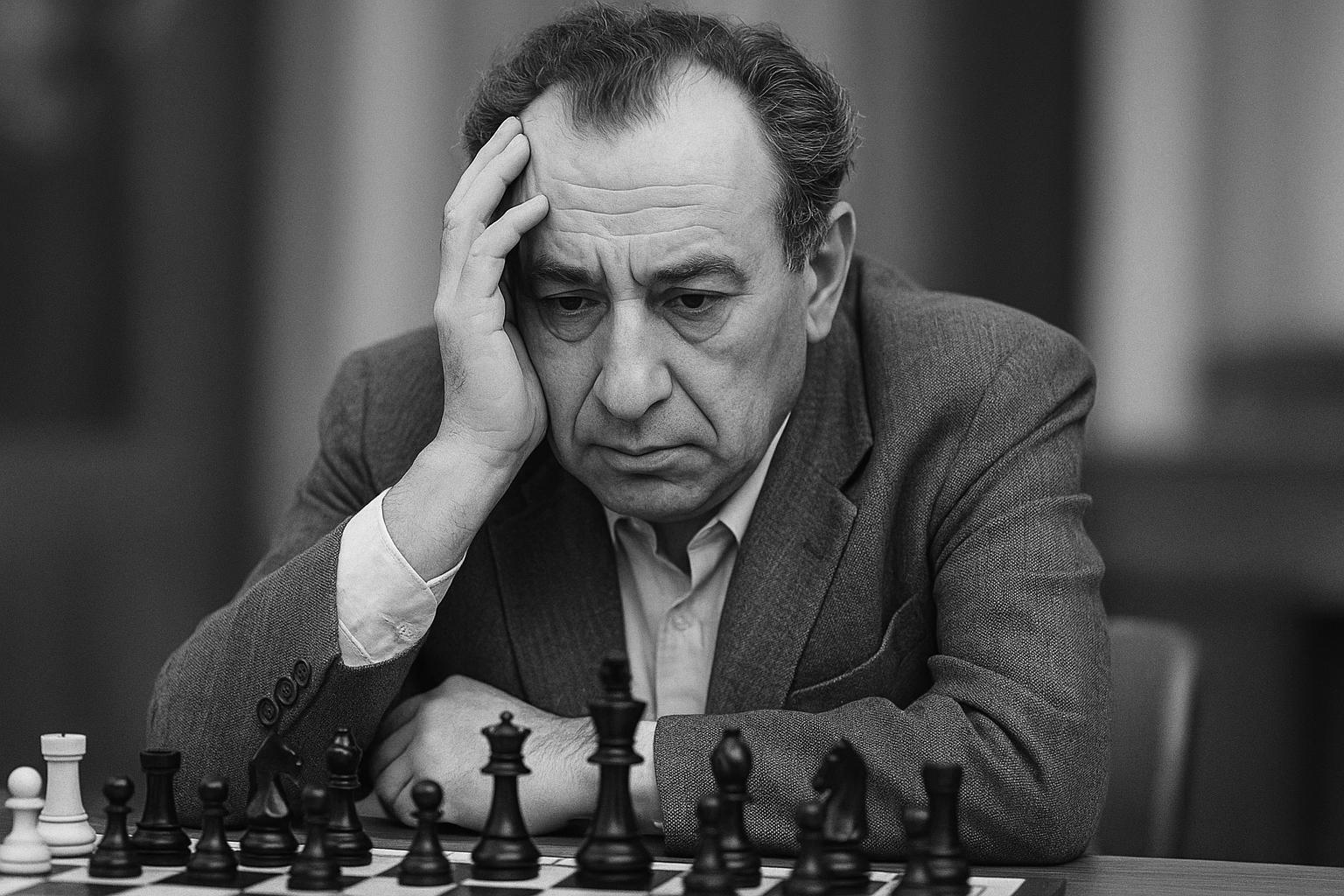
Introduction to Efim Geller
Efim Geller was a prominent figure in the history of chess. As a Soviet chess legend, he made significant contributions not only in the arena as a player but also as a theoretician, leaving an indelible mark on the chess world. He was highly regarded for his aggressive and imaginative style, often paving the way with novel ideas and strategies that continue to influence modern chess play. His role in the evolution of opening theory and his impressive performances against some of the strongest players of his time highlight his importance in chess history.
Chess Career Highlights
Geller’s illustrious chess career, which spanned several decades, began in the mid-20th century and extended well into the 1980s. During this period, he established himself as a formidable force on the chessboard. Geller attained the prestigious title of International Grandmaster in 1952, a testament to his exceptional skill and intelligence. His achievements did not stop there – he was crowned the Soviet Champion twice, first in 1955 and then again in 1979. These victories underscored his dominance in one of the most competitive national chess scenes in the world.
Competing on the international stage, Geller consistently demonstrated his mastery of the game by securing top positions in various competitions. His ability to perform consistently at a high level made him a constant threat to his opponents and earned him respect from the global chess community.
Influence on Opening Theory
One of Geller’s most enduring contributions to chess was his work on opening theory. He made substantial innovations in several chess openings, particularly the King’s Indian Defense and the Sicilian Defense. These defenses are among the most popular and complex in chess, and Geller’s work on them has had a lasting impact on contemporary opening strategies.
In the King’s Indian Defense, Geller introduced lines of play that emphasized aggressive pawn play and piece activity, often resulting in rich, complex middle-game positions. His insights gave players the tools to handle the dynamic and often chaotic positions this opening can lead to.
Geller’s work in the Sicilian Defense involved exploring new lines and ideas to counter White’s early lead in development. His analyses and strategies for handling typical structures in this opening continue to serve as critical resources for players venturing into Sicilian territory.
Today, Geller’s analyses are frequently referenced in chess literature, reflecting his lasting impact on the game. His writings and insights have been incorporated into many leading chess databases and are studied by players seeking to improve their understanding of these complex openings.
Matches Against World Champions
Efim Geller’s career was marked by his noteworthy ability to compete against, and often triumph over, several living legends of the chess world. He possessed a positive score in games against multiple world champions, a remarkable feat that underscores his strategic depth and acumen.
Geller faced off against renowned champions such as Mikhail Botvinnik, Tigran Petrosian, Boris Spassky, and Bobby Fischer. His encounters with Fischer, in particular, are celebrated for showcasing his ability to challenge a player who many consider among the greatest of all time.
His matches with these champions were not only battles of tactical prowess but also rich with strategic maneuvering. Geller’s ability to adapt to the styles of world champions and exploit their weaknesses highlighted his strategic genius and deep understanding of the game. These encounters have become part of chess lore, studied not only for their entertainment value but also for the profound lessons they offer to students of the game.
Legacy and Contributions
Efim Geller’s legacy in the realm of chess extends far beyond his victories on the chessboard. He is remembered as much for the genius contained in his games as for his contributions to chess literature and theory. His games are renowned for their creativity, insightful maneuvers, and tactical brilliance, making them a rich source of study for players at all levels.
Aspiring chess enthusiasts can learn much from his approach to complex positions, examining his ability to unsettle opponents with unexpected yet sound tactical strategies. His penchant for creating imbalances and finding resources in seemingly quiet positions remains inspirational, encouraging players to seek their own creative solutions.
For those interested in delving deeper into Geller’s games and strategies, there are numerous resources available. Collections of his game analyses are valuable study tools, offering insights into his approaches and the way he thought about the game. While some specific materials can be accessed online, a number of books and comprehensive chess databases dedicate significant focus to Geller’s work. These resources provide a holistic view of his contributions, both as a competitor and as a contributor to the theoretical underpinnings of modern chess.
By understanding and learning from Geller’s style and contributions, contemporary players can enrich their own games and appreciate the depth and beauty that chess offers, continuing the legacy of this chess icon.